
100 Series Timing Belt Replacement Guide
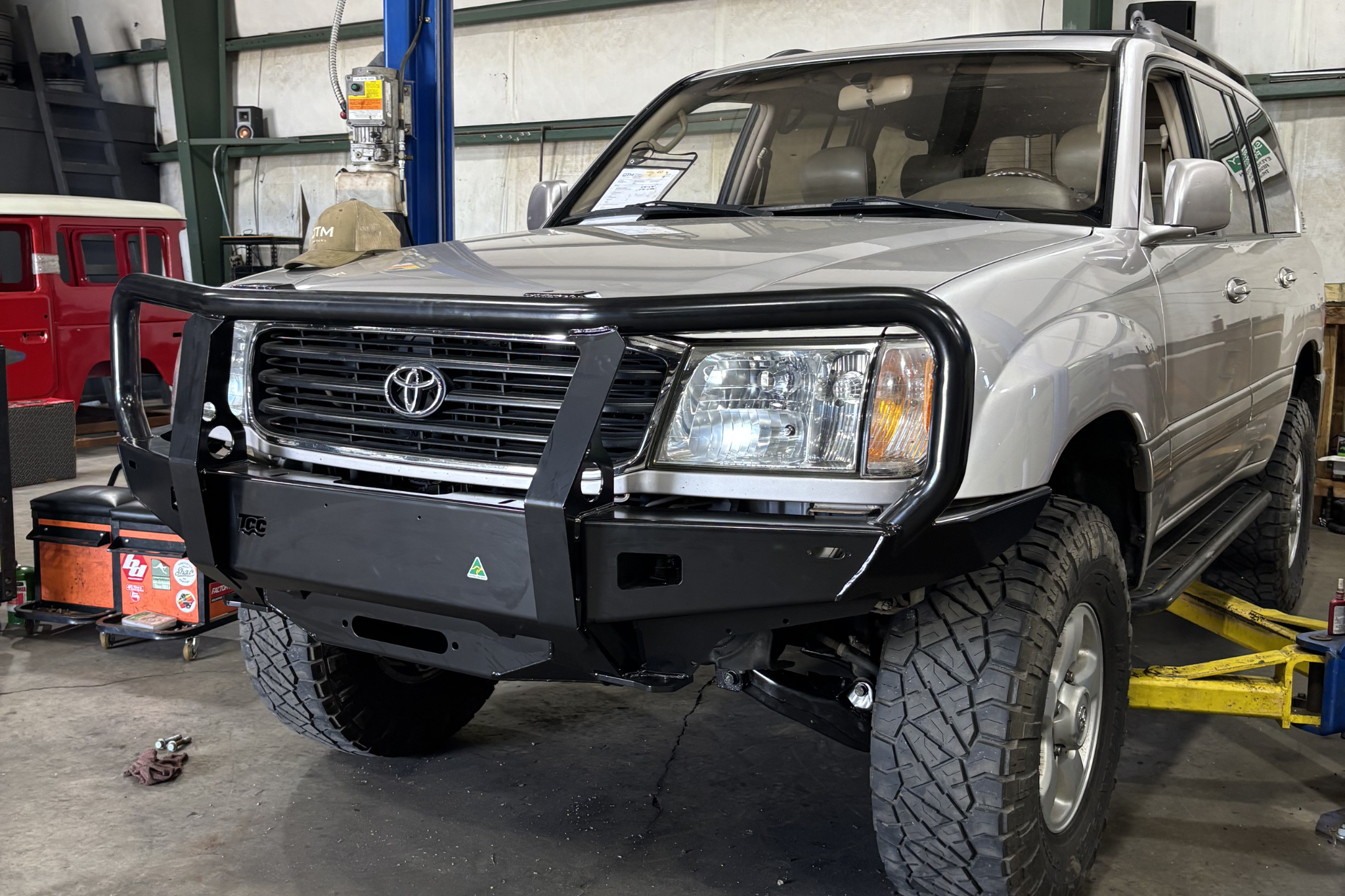
I’ve had this conversation hundreds of times. Someone buys a 100 Series, loves it, drives it for six months, and then the engine locks up. They call me after the fact. And almost every time, the answer is the same: nobody replaced the timing belt.
It’s the most important service on the 100 Series. It’s also the most commonly skipped. And when it fails, it doesn’t just leave you stranded. It ends the engine.
If you own a 100 Series and you’re not sure when the timing belt was last replaced, stop reading and call us. I’m serious. Everything else in this post can wait. That one can’t.
Key Takeaways:
- The 100 Series has an interference engine. A broken timing belt destroys it.
- The belt needs to be replaced every 100,000 miles or 7 years, whichever comes first.
- The full job includes the water pump, tensioner, idler pulleys, and seals. Not just the belt.
- No service records means treat the belt as overdue. Always.
- This is one job where cutting corners on parts will cost you far more later.
Why the Timing Belt Matters on a 100 Series
The timing belt keeps the engine’s top half and bottom half synchronized. It controls when the intake and exhaust valves open and close relative to the pistons moving up and down. When the belt is working, everything runs in precise order. When it snaps, that order disappears instantly.
The 2UZ-FE engine in the 100 Series is an interference engine. That means the pistons and valves share the same space at different times. The timing belt is what keeps them from being in the same place at the same time. If the belt breaks while the engine is running, the pistons hit the open valves. Hard. Multiple valves bend or break. Sometimes pistons crack. The engine doesn’t just stall. It destroys itself from the inside.
What “Interference Engine” Actually Means for You
On a non-interference engine, a broken timing belt is an inconvenience. The engine stops. You get it towed and replace the belt. On an interference engine, a broken timing belt is a catastrophe. I’ve seen $15,000 trucks turned into parts cars because the timing belt went. The truck was fine. The engine was not.
Why So Many 100 Series Come In With This Undone
The timing belt is a maintenance item, not a repair. It doesn’t make noise when it’s getting close to the end of its life. It doesn’t cause the truck to run rough or throw a warning light. It just keeps working until it doesn’t. That invisibility is exactly what makes it dangerous. Owners don’t feel any urgency because nothing feels wrong.
When I get a 100 Series with no service history, the timing belt is the first question I ask. Not because I’m looking for work. Because that answer tells me whether the truck is a ticking clock.
What happens if a timing belt breaks on a 100 Series? On the 2UZ-FE, the pistons will contact the valves when the belt snaps. This bends or breaks valves and can damage pistons. The result is typically a full cylinder head rebuild or engine replacement. The repair cost is significantly higher than the timing belt service would have been.
How do I know if my 100 Series timing belt has been replaced? The best evidence is a shop receipt or service record with the mileage noted. Some shops also place a sticker on the timing cover or near the radiator with the date and mileage of the last replacement. If you have no records and don’t know the history, treat it as overdue.
Does the 100 Series timing belt give any warning before it fails? No. Timing belt failure is typically sudden and without warning. There is no check engine light, no noise, no vibration. It runs fine and then it doesn’t. This is why staying ahead of the service interval matters.
What the Full Timing Belt Service Includes
A lot of shops quote a timing belt replacement and give you a price for the belt alone. That’s not the full job. At OTM, we replace the complete timing kit every time. Here’s what that means and why each component matters.
The Timing Belt
The belt itself is the primary component. We use Toyota OEM or equivalent Japanese-spec parts. The belt on a 100 Series is a toothed rubber belt that runs the length of the front of the engine, connecting the crankshaft to the camshafts. It’s not something you can inspect visually without removing the timing cover, which is why service intervals exist.
The Water Pump
The water pump on the 100 Series is driven by the timing belt. It sits right there in the same system. If the water pump fails, it can destroy the new timing belt. Replacing it at the same time costs a fraction of what it would cost to redo the job later. Any shop that quotes you just the belt and skips the water pump is setting you up for a callback.
The Tensioner and Idler Pulleys
The tensioner keeps the belt at the right tension as it wears over time. The idler pulleys guide the belt through its path. These components have bearings inside them. At 100,000 miles, those bearings are at the same age as the belt. If a pulley bearing fails after a new belt goes in, the belt comes off. We replace all of them as part of the kit.
Seals
While the front of the engine is open for the timing belt job, we replace the cam seals and crank seal. These are common leak points on the 100 Series. They’re impossible to get to without doing this level of disassembly. Replacing them at the same time adds minimal cost and prevents oil leaks that would otherwise require repeating a large portion of the same labor.
What is included in a timing belt service on a 100 Series Land Cruiser? A complete service includes the timing belt, water pump, belt tensioner, idler pulleys, cam seals, and crank seal. Some shops quote only the belt. Ask specifically what is included before approving any timing belt estimate.
How long does a 100 Series timing belt replacement take? At OTM, a full timing kit replacement typically takes a full day. It’s not a quick job. The front of the engine has to come apart and go back together correctly. Shops that quote a timing belt in two hours are not doing the full job.
Should I use OEM or aftermarket parts for a 100 Series timing belt? Toyota OEM or Japanese aftermarket (Aisin, Denso, Gates Japan-spec) are what we recommend. Cheap domestic aftermarket belts are not made to the same specification. On an interference engine, this is not the place to save money on parts.
When to Replace the Timing Belt on a 100 Series
The interval is every 100,000 miles or 7 years, whichever comes first. That second part matters. A truck that’s been sitting for years and only has 60,000 miles on it still needs the belt checked. Rubber degrades from age and heat, not just from miles.
How to Handle Unknown Service History
This comes up constantly. Someone buys a used 100 Series with no paperwork. The previous owner says the timing belt was done but has no receipts. My answer is always the same: treat it as overdue. The cost of a timing belt service is a small fraction of what an engine rebuild costs. There is no version of this math where gambling on someone’s word makes sense.
What Mileage Milestones Look Like in Practice
A well-maintained 100 Series should have the timing belt done at 100K, 200K, and 300K miles. Trucks coming in at 250,000 miles with a clean history and documented timing belt replacements are in great shape. Trucks at 180,000 miles with no records are a different story.
What year 100 Series Land Cruisers need a timing belt? All 100 Series Land Cruisers from 1998 to 2007 use the 2UZ-FE engine, which has a timing belt. The Lexus LX470, which shares the same platform, also uses this engine and requires the same service.
Is the LX470 timing belt the same as the 100 Series? Yes. The LX470 and 100 Series Land Cruiser share the same 2UZ-FE engine and the same timing system. The service interval and components are identical.
Can I replace the timing belt myself on a 100 Series? It is technically possible for an experienced DIYer, but it requires significant mechanical knowledge, specialty tools, and careful attention to timing marks. A mistake during reassembly can cause immediate engine damage when the truck is started. Most owners are better served having a specialist do this job.
What It Costs to Wait
I want to be straightforward about this. The timing belt service is not cheap. It’s a several-hundred-dollar job when done correctly with quality parts. I understand that’s a real number.
Here’s the other number: an engine rebuild on a 100 Series after a timing belt failure runs $5,000 to $8,000 on the low end. A replacement engine installed is more. Some trucks are totaled by the repair cost relative to their value. I’ve watched it happen.
The timing belt service is one of the clearest examples of preventive maintenance paying for itself. There is no upside to waiting.
How much does a 100 Series timing belt service cost? It depends on the shop and the parts used. A complete job with OEM or Japanese-spec parts, water pump, tensioner, pulleys, and seals is a multi-hour labor job. Ask for an itemized estimate and confirm the water pump and full kit are included. Avoid quotes that seem unusually low. They are usually missing components.
How to Get This Done
If your 100 Series is past 100,000 miles, or you have no documentation of when the timing belt was last replaced, here is what to do.
- Don’t wait. There is no safe margin past the service interval on an interference engine. The belt doesn’t warn you. Schedule the appointment before something else comes up.
- Bring what you have. If you have any service records, bring them. Even partial history helps us understand what the truck has had done and what it still needs.
- Ask for the full kit. When you call any shop, ask specifically whether the water pump, tensioner, and idler pulleys are included in the quote. If they say it’s just the belt, that’s not the full job.
- Plan for a full day. This is not a same-day wait service. Drop the truck off and let the shop take the time to do it right.
- Get it documented. Ask for a receipt that lists the mileage and the parts replaced. Keep it with the truck. The next owner will thank you.
Bring Your 100 Series to OTM
We do this job correctly, with the right parts, every time. If you’re in Birmingham and your timing belt is due or unknown, bring it in for a diagnosis. We’ll tell you exactly where things stand.
Our Leeds shop handles major mechanical work. Our downtown Birmingham location handles scheduled maintenance and same-day services. Book your appointment here.