
Summer Off-Road Prep for Your Land Cruiser
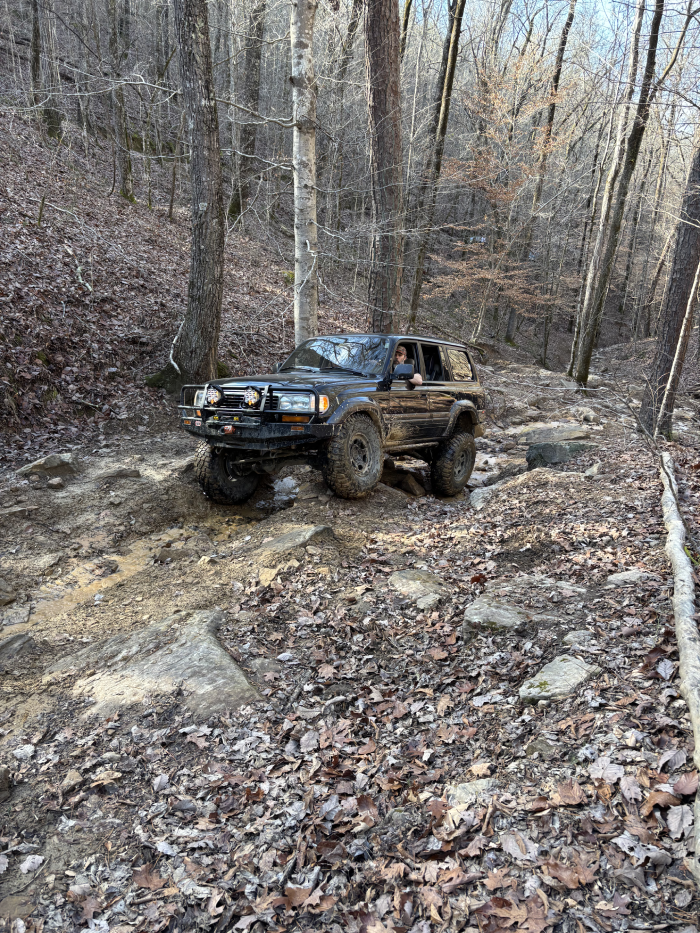
Summer is when most people start using their Land Cruisers the way they were built to be used. Trails, camping, overlanding, fire roads. Whatever your version of off-pavement looks like, it usually happens more in summer than any other time of year.
And every summer, people show up stranded because they didn’t check the things that were going to matter before they left.
This isn’t a list of gear to buy. It’s a list of mechanical and practical items to check before your truck leaves pavement and heads somewhere remote. A Land Cruiser that’s properly prepared is one of the most capable and reliable vehicles you can take into backcountry terrain. One that isn’t prepared is a liability.
Go through this list before your next trip.
Key Takeaways:
- Most trail breakdowns are preventable with a pre-trip inspection.
- Fluids, tires, and recovery gear are the three categories that matter most.
- A truck that’s behind on maintenance handles trails harder than one that’s current.
- Alabama summer heat is not a neutral factor. Heat stress on a neglected cooling system compounds on trail.
- The time to find a problem is before you leave, not 40 miles from the nearest cell signal.
Mechanical: What to Check Before You Go
Cooling System
Summer heat is the most relevant mechanical variable for a trail vehicle in the South. A Land Cruiser that runs fine on the highway in cool weather will find its thermal limits faster on a slow, technical trail in 95-degree July heat. The engine isn’t moving as fast, the fan isn’t pulling as much air, and the ambient temperature is working against you.
Check the coolant level. Look at the condition of the coolant. If it’s been more than two years or 30,000 miles since a flush, do it before a summer trip. Inspect the hoses for cracking, softness, or swelling at the ends where they connect to fittings. Inspect the radiator for damage or buildup. A cooling system that’s marginal on the road becomes a problem on trail.
Engine Oil
Check the oil level and the condition. Dark oil that’s been sitting for too many miles is not what you want heading into a hot, demanding trail day. If an oil change is overdue, get it done before you go. While you’re at it, look underneath the truck for any active oil leaks. A slow leak that’s easy to ignore at home becomes a faster leak when the engine is working hard and oil temperatures are elevated.
Transmission and Transfer Case Fluids
These are easy to forget because they don’t need to be changed as often as engine oil. But on a truck heading into demanding terrain, knowing your transmission and transfer case fluids are in good condition matters. Low or degraded fluid in these systems under heavy use is how you end up with a broken drivetrain on a trail.
Brakes
Trails put different demands on brakes than road driving does. Technical downhill sections, loaded vehicles, repeated stops. Check brake pad thickness before a trip. Check the fluid level and condition. If the pedal has felt soft or longer than usual, have the brakes inspected before you go.
Suspension and Steering
Get underneath the truck. Look for any obvious damage or wear. Check that the suspension components are tight and that there’s no excessive play in the steering. A worn tie rod end or ball joint that’s marginal on the road can fail under the lateral stress of off-camber terrain.
How often should I service my Land Cruiser before off-road trips? A full pre-trip inspection before any significant off-road trip is worth the time. For regular trail use, staying current on all maintenance intervals is the baseline. A truck that’s current on maintenance needs a check, not a catch-up.
Is it worth getting a pre-trip inspection at a shop? For a major trip or an overlanding expedition, yes. A fresh set of eyes under the truck before you leave can catch things you’ve missed or gotten used to. It’s a small cost relative to a breakdown in a remote location.
Tires: The Most Important Contact Point
Tread Depth and Condition
Tires are where the truck meets the terrain. Inspect all four tires and the spare for tread depth, sidewall cracks, and any damage from previous use. An all-terrain tire with good tread handles trail conditions well. A worn tire handles them poorly and is more vulnerable to puncture.
Tire Pressure
Airing down is one of the most effective things you can do for off-road traction and ride quality on trail. For most 100 and 80 Series trucks, airing down to 20 to 25 PSI is a good starting point for mild to moderate trail use. More technical terrain or soft sand calls for going lower.
Carry a quality pressure gauge and a reliable air source. A portable compressor that can air back up to highway pressure after the trail is not optional. A 12-volt compressor or a CO2 inflation system works well. Know what pressure you need before you air down so you can get back to it efficiently.
The Full-Size Spare
If your spare is the same size and type as your other tires, include it in your tire rotation. A spare that’s been sitting unmounted and uninflated for two years is not going to perform the way you need it to. Check the pressure before every trip.
What tire pressure should I run on trails with my Land Cruiser? It depends on the terrain, the tire, and the load. A general starting point for most trail conditions is 20 to 25 PSI. Rocky technical terrain benefits from lower pressure for a softer contact patch and more sidewall flex. Always air back up to highway pressure before getting on pavement.
Recovery Gear: What to Have and How to Use It
Kinetic Recovery Strap
A kinetic recovery strap is the first piece of recovery gear most overlanders add. It stretches under load, which stores energy and creates a gentle, dynamic pull rather than a sudden jerk. It’s used when another vehicle pulls you out. Know where yours is and practice attaching it quickly.
Traction Boards
MAXTRAX or similar recovery boards are useful in situations where traction is the problem rather than a stuck vehicle. Sand, loose mud, snow. Slide them under the tires and drive out. They work, and they’re easy enough for one person to deploy without help.
A Shovel
A compact folding shovel gets used more than almost any other recovery item on trail. Digging out tires, moving dirt from under a high-centered vehicle, trenching a drainage path. It’s simple and it works.
First Aid Kit
Keep one in the truck. Trails put people in situations where small injuries happen, and remote locations mean a long wait for help if something more serious occurs.
Communication
A phone with downloaded offline maps is the minimum. A satellite communicator like a Garmin inReach is the right tool for serious backcountry travel where cell coverage doesn’t exist. Know how to use whatever you bring before you need it.
What recovery gear should I carry on a Land Cruiser off-road trip? At minimum: a kinetic recovery strap with rated shackles, a full-size spare, traction boards, a shovel, a hi-lift jack, a basic tool kit, and a first aid kit. If you’re solo or heading into remote terrain, add a portable air compressor and a satellite communicator.
A Note on Alabama Summer Heat
I work on these trucks in Birmingham. I know what summer looks like here. July and August in Alabama are not forgiving conditions for a vehicle that’s already running a little hot or carrying some deferred maintenance.
If your Cruiser has any cooling system concerns, address them before a summer trail day, not after. A truck that manages fine on the highway in May can find its limits fast on a slow technical section in July heat with the AC running and the engine working hard.
The same truck with a fresh cooling system, current fluids, and good tires handles those conditions without issue. That’s the preparation we’re talking about.
If you want to come in for a pre-trip once-over before your next summer trip, we’re here. We’ll go through the truck and tell you exactly where things stand before you go.