
80 Series Land Cruiser Common Problems
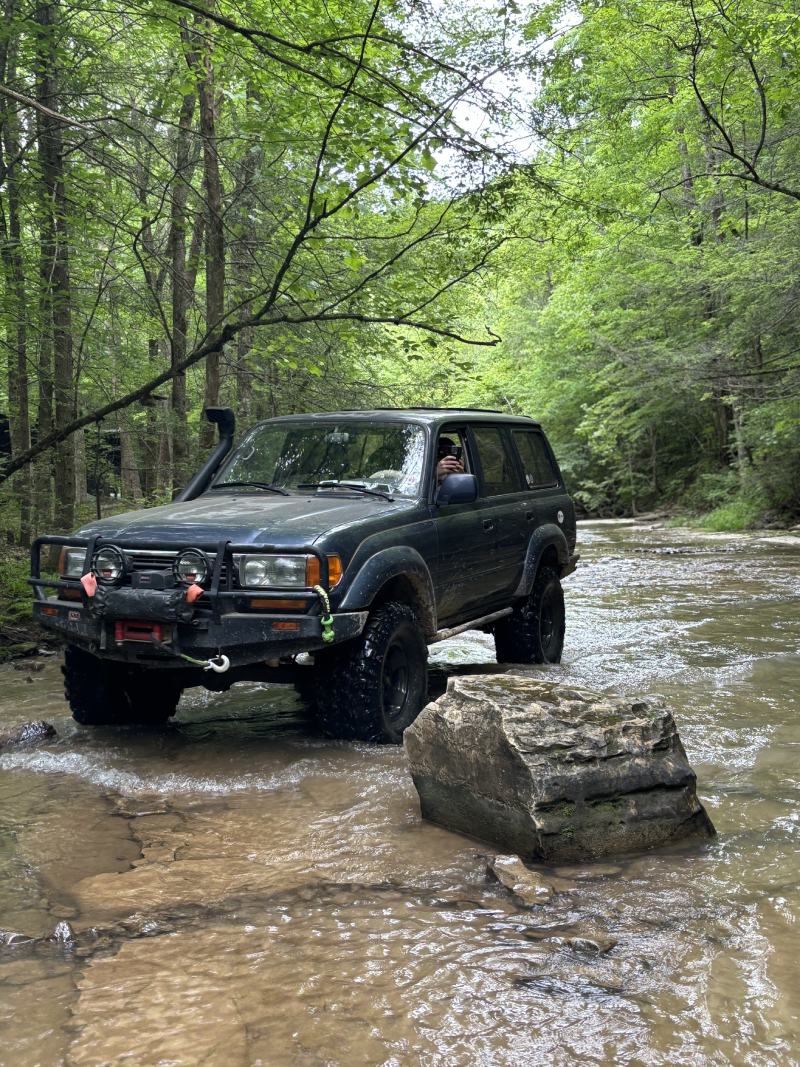
The 80 Series is one of my favorite Land Cruisers ever built. I mean that. The platform is legendary for good reason. It’s capable, it’s rugged, it’s comfortable enough to drive every day, and a well-maintained example can run for hundreds of thousands of miles without missing a beat.
But every platform has its failure points. The 80 Series has specific ones that every owner should understand, especially if the truck has high mileage or an uncertain service history. Most of these problems don’t sneak up on you completely. They give signs. The owners who know what to look for catch them early and keep repair costs manageable. The ones who don’t end up with a much bigger bill.
Here is what I see most often on 80 Series trucks that come through OTM.
Key Takeaways:
- Head gasket failure is the most serious and most common major repair on the 80 Series 1FZ-FE engine.
- Rust is a real concern on 80 Series trucks, especially around the frame and rocker panels.
- The cooling system needs to be maintained carefully on this platform. Heat is the enemy.
- Many 80 Series trucks have deferred maintenance that gets discovered during inspection.
- A clean body and nice interior tell you nothing about what’s going on underneath.
Head Gasket Failure: The Big One
If you own an 80 Series with the 1FZ-FE inline six-cylinder engine, head gasket failure is the problem you most need to know about. It’s the most common serious repair on this platform, and it has ended more than a few trucks that could have been saved with earlier attention.
The 1FZ-FE is a strong engine. It makes good power, it’s smooth, and it can run forever when it’s maintained correctly. The head gasket is the weak point. Toyota revised the head gasket design multiple times over the production run of this engine because the original design had a known failure rate. If your 80 Series hasn’t had the head gasket updated or replaced, it’s worth knowing where the truck stands.
What Causes It
The primary cause is heat. The 1FZ-FE runs hot, and the original head gasket design didn’t always manage that heat well at the sealing surface between the cylinder head and the block. Repeated overheating events accelerate the failure. A cooling system that’s been neglected, a thermostat that’s sticking, a water pump that’s on its way out. Any of those things puts extra stress on a gasket that already has a design limitation.
What to Watch For
The classic signs of head gasket failure are white smoke from the exhaust, coolant loss without a visible external leak, oil that looks milky or foamy, and overheating that doesn’t have another obvious cause. Sometimes you’ll also see bubbling in the coolant reservoir when the engine is running.
None of these symptoms on their own are definitive proof of a blown head gasket. But any of them on a high-mileage 80 Series is a reason to get the truck to a shop that knows the platform. Catching this early is the difference between a head gasket replacement and a full engine rebuild.
How common is head gasket failure on the 80 Series Land Cruiser? It’s one of the most well-documented issues on the 1FZ-FE engine. Trucks that have been properly maintained and never overheated can go a long time without failure, but the risk increases significantly with mileage, heat, and deferred cooling system maintenance.
What does a head gasket replacement cost on an 80 Series? It varies depending on the condition of the engine and what else is addressed during the repair. At minimum you’re looking at a significant labor job. If the head is warped and needs machining, the cost increases. Catching it before the head is damaged is meaningfully less expensive than catching it after.
Can I drive my 80 Series if I suspect head gasket failure? No. Continuing to drive on a failing head gasket accelerates the damage and can turn a repair into an engine replacement. If you’re seeing the symptoms, get the truck inspected before driving it further.
Rust: Where to Look and What It Means
The 80 Series production run was 1990 to 1997. That means even the newest examples are pushing 30 years old. Age and moisture do what they always do to steel. Rust is a real issue on this platform, and it’s one of the first things I check when an 80 Series comes in.
Frame and Underbody
The frame on the 80 Series is where rust does the most damage. Surface rust on the frame is normal and manageable. Deep pitting, scale, or rust that has penetrated the frame rails is a structural concern. In severe cases, rust damage to the frame can make a truck unsafe to drive or uneconomical to repair.
If you’re buying an 80 Series, get underneath it. Look at the frame rails, the crossmembers, and the areas around the suspension mounting points. Take a flashlight. Take your time.
Rocker Panels and Floor
The rocker panels on the 80 Series trap moisture and are a common rust location. So are the floor pans. Rust in these areas is repairable, but it’s labor-intensive bodywork. A truck with significant floor or rocker rust needs that assessed before anything else is addressed.
What Rust Tells You About a Truck
Rust tells you where the truck has lived and how it’s been cared for. A truck from the Gulf Coast or the Pacific Northwest is going to have a different rust profile than one that spent its life in the Southwest desert. Neither is automatically a deal-breaker, but knowing what you’re looking at matters.
Is rust a deal-breaker on an 80 Series Land Cruiser? Not automatically. Surface rust on an older truck is expected. The question is where the rust is and how deep it goes. Frame rust that’s structural is a serious problem. Body and rocker rust is repairable but adds to the cost of ownership. Have a specialist look at it before you buy.
How do I prevent rust on my 80 Series? Keep the underside clean. Pressure washing the underbody after driving in wet or muddy conditions helps. Undercoating and frame treatments slow new rust development. Catching and treating surface rust before it progresses is much easier and cheaper than dealing with it after it’s set in.
Cooling System: The System That Needs to Stay Healthy
I said it in the head gasket section and I’ll say it again here: heat is the enemy of the 1FZ-FE. The cooling system on the 80 Series needs to be maintained proactively, not reactively.
This means fresh coolant on schedule. It means a functioning thermostat. It means a water pump that’s not on its last legs. It means radiator hoses that aren’t brittle or cracked. On a 30-year-old truck with high mileage, all of those items are worth inspecting.
A cooling system flush and fresh coolant is one of the cheapest, most impactful services you can do on a high-mileage 80 Series. Old degraded coolant loses its ability to transfer heat efficiently and to protect the metal components in the system from corrosion. It’s a service that gets skipped far too often.
How often should I change the coolant on an 80 Series Land Cruiser? Every 30,000 miles or every two years is a reasonable interval. On a truck this age, if you don’t know when the coolant was last changed, treat it as overdue. Old coolant is acidic and eats away at aluminum and rubber components in the cooling system.
Transfer Case and Differential Maintenance
The 80 Series has a full-time four-wheel-drive system with a center differential. It’s a capable setup that works well when it’s maintained. When it isn’t, the differentials and transfer case wear faster than they should.
The fluids in these systems need to be changed on a regular interval. Old differential fluid breaks down and loses its ability to protect the gears and bearings. We see a lot of 80 Series trucks that have never had the diff or transfer case fluids touched. That’s not a crisis by itself, but it’s one more form of deferred maintenance that adds up.
How often should differential and transfer case fluids be changed on an 80 Series? Every 30,000 miles as a general guideline. On a truck with unknown service history, change them now and start the clock fresh. The cost is minimal and the benefit is real.
What to Check Before You Buy an 80 Series
If you’re in the market for an 80 Series, here’s what I’d tell you to focus on.
Get a pre-purchase inspection from a shop that works on these trucks regularly. Not a general mechanic, not a chain shop. Someone who knows the 80 Series specifically and knows what to look for on this platform.
Before that inspection, look for signs of overheating in the service history, check underneath the truck for rust, and check the oil and coolant for contamination. White milky oil means coolant is getting in. That’s a head gasket conversation.
A clean, honest 80 Series with known maintenance history is a great truck. There are a lot of them out there. There are also a lot of trucks with deferred maintenance that present well until they don’t. Knowing the difference is worth the cost of an inspection.
Bring Your 80 Series to OTM
We work on 80 Series trucks regularly. If you’ve got one that needs a diagnosis, a service, or a pre-purchase inspection, bring it in. We’ll tell you exactly what we see.
Get in touch with us here.