
Buying a Used 100 Series Land Cruiser
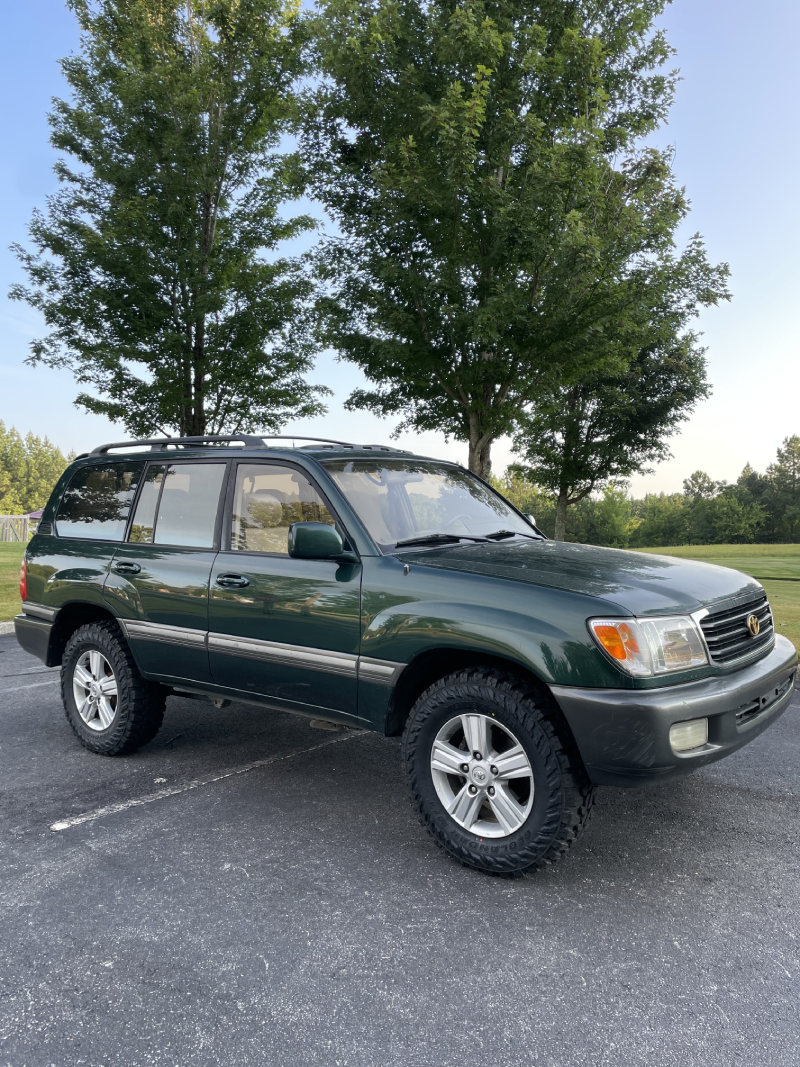
The used 100 Series market has gotten competitive. Prices are up. Good trucks get snapped up fast. And because demand is high, there are a lot of trucks being sold with problems that aren’t obvious on a test drive or visible in listing photos.
I’ve seen the outcome of this more times than I can count. Someone buys a 100 Series based on how it looks and how it drives, brings it in for a first service, and we find $4,000 to $8,000 worth of deferred maintenance or hidden problems. The truck ran fine. It looked fine. And it had a timing belt that had never been replaced, heater T’s that were cracked and leaking, and wheel bearings that hadn’t been touched since the truck was built.
None of that is the buyer’s fault. They didn’t know what they didn’t know. This post is about what to know before you buy.
Key Takeaways:
- A clean interior and a smooth test drive are the two least reliable indicators of a 100 Series’s actual condition.
- The timing belt is the most important documented maintenance item to confirm before buying.
- Getting underneath the truck matters more than anything you can see standing next to it.
- Unknown service history means deferred maintenance. Plan to spend money on catch-up service.
- A pre-purchase inspection from a Land Cruiser specialist is the single best investment before buying.
What the Listing Won’t Tell You
The photos in any used truck listing show you the body, the interior, and whatever the seller decided to photograph. They don’t show you the underside, the service records, the condition of the seals, or whether the timing belt has ever been replaced.
A clean truck can hide a lot of deferred maintenance. Land Cruisers are particularly susceptible to this because the platform is so durable. A 100 Series can run for months or years with deferred service items that would strand most other vehicles. Owners who don’t know the platform don’t always realize what the truck needs. Sellers who do know sometimes don’t disclose it.
This isn’t a cynical take on sellers. Most private party sellers are honest people who genuinely don’t know what their truck’s service history includes. They know it ran well for them. They don’t know whether the timing belt was done 40,000 miles ago or never.
What to Ask Before You See the Truck
When you contact a seller about a 100 Series, start with these questions.
Do you have service records? The answer tells you a lot immediately. A seller with organized records knows what was done to the truck. No records means unknown history.
Has the timing belt been replaced, and do you have documentation? This is the most important maintenance item on the platform. If the seller says yes, ask for the receipt. If they say they think so or the previous owner told them, that’s not documentation.
Has it ever overheated? Overheating events damage head gaskets, warp cylinder heads, and accelerate seal failure. A truck that’s been overheated may look and run fine until those problems surface.
Where has it been serviced? A truck that’s been to a Land Cruiser specialist or a shop familiar with the platform is more likely to have had platform-specific items addressed. A truck that’s only been to a quick-lube for oil changes almost certainly hasn’t.
Why are you selling it? Not a disqualifying question, but the answer tells you something about the seller and their relationship with the truck.
What to Check When You See the Truck
Look at the Service Records First
If there are records, read them before you look at the truck. Records tell you what the ownership history has been. Look for timing belt receipts, oil change intervals, any major repairs. Gaps are information. Regular oil changes with no timing belt at 100K is a red flag.
Get Underneath It
This is the step most buyers skip and the one that matters most. Bring a flashlight. Get underneath the truck and look at:
The frame rails for rust. Surface rust is expected. Deep pitting or scale that’s compromised the frame is a serious structural concern.
The rear of the engine where it meets the transmission. An oily, wet bellhousing points to a rear main seal leak. That’s a significant repair.
The differential covers and transfer case for leaks. Active gear oil leaks mean the system has been losing fluid.
The underside of the oil pan and engine block for any seeps or drips that point to multiple leaking seals.
Check the Fluids
Pull the oil dipstick and look at the oil. Dark oil that smells like oil is fine. Milky, foamy, or gray oil has coolant mixing into it, which points to a head gasket problem.
Pull the oil cap and look at the underside. Light residue on the cap is normal. A thick, white, foamy residue on the cap is coolant contamination.
Check the coolant reservoir. It should be full and the coolant should be clean. A rusty, dark, or foamy reservoir indicates a cooling system that hasn’t been maintained and potentially combustion gases entering the system.
Listen to the Engine Cold
Start the truck cold if you can. A cold start tells you more than a warm start. Listen for any ticking that takes more than a few seconds to clear. Listen for any knocking. A healthy 2UZ-FE starts cleanly and settles to a smooth idle quickly.
Test the Four-Wheel Drive
Engage the four-wheel drive, both high and low range. It should shift smoothly and engage without grinding or hesitation. Try the front and rear differential locks. Both should engage and disengage cleanly.
Drive It Under Load
Highway speed, a firm brake application, and a stretch of uneven road all tell you things a parking lot test drive won’t. Steering that wanders, a shimmy at speed, or a truck that pulls under braking all point to components worth investigating.
What should I look for when buying a used 100 Series Land Cruiser? Timing belt documentation, service records, the condition of the underside including the frame and seals, fluid condition in the engine and coolant reservoir, and how the four-wheel drive system engages. A cold start and a highway test drive are more informative than a warm-truck parking lot demonstration.
How do I know if a 100 Series has a blown head gasket before I buy it? Check for white exhaust smoke after the engine is fully warm, milky or foamy oil on the dipstick or under the cap, unexplained coolant loss, and bubbling in the coolant reservoir when the engine is running. Any of those signs on a used truck warrants a cooling system pressure test before purchase.
Red Flags That Should Give You Pause
Fresh paint on the lower panels or rockers. Could be a well-maintained truck. Could be covering rust.
No service records at all. Not a deal-breaker, but it means budgeting for catch-up maintenance on every platform-specific item.
A seller who says the timing belt was done but has no receipt. This is the one where I’d be most cautious. If there’s no paperwork, treat it as undone.
A coolant reservoir that’s low or has residue around the cap. Both point to cooling system issues.
Oil that’s due for a change or looks like it’s been there for a long time. Tells you about the oil change habits. If oil changes were neglected, other maintenance probably was too.
The truck has been sitting for a long time. Sitting trucks develop seals that dry out, fuel system issues, and brake components that corrode. A truck that sat for a year or two needs to be inspected carefully before trusting how it drives.
Why to Get a Pre-Purchase Inspection
Everything on this list, you can check yourself with some preparation and time. But a pre-purchase inspection from a shop that knows the 100 Series specifically goes further than what most buyers can do on their own.
We put the truck on a lift. We check the heater T’s, which most buyers don’t know to look for. We check the wheel bearing service history, which isn’t visible to the naked eye. We pressure test the cooling system to check for head gasket issues that aren’t showing active symptoms yet. We go through the platform-specific items that a general inspection won’t cover.
The cost of a pre-purchase inspection is a fraction of what one missed item can cost after the sale. I’ve had people tell me they skipped the inspection to save time and then spent many times that amount on problems they would have known about beforehand.
If you’re serious about a 100 Series, have it inspected first. If the seller won’t allow a pre-purchase inspection, that tells you something too.
We do pre-purchase inspections at both locations. Book here.