
FJ60 and FJ62 Land Cruiser: Buyer’s and Owner’s Overview
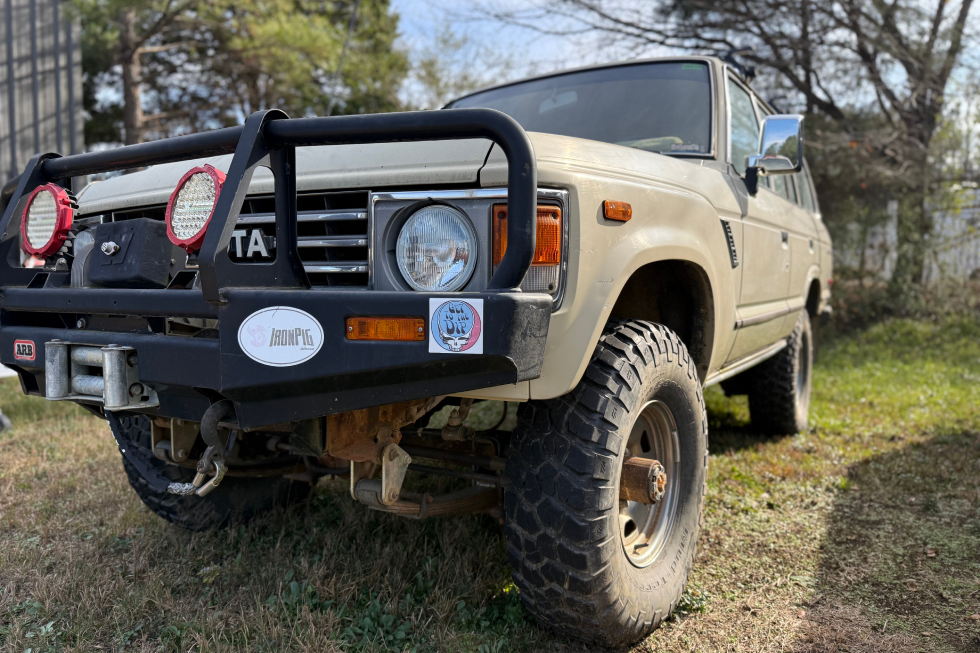
What to know about the mid-era Land Cruiser that doesn’t get enough attention.
The FJ60 and FJ62 don’t get talked about as much as the FJ40 or the 100 Series. That’s partly because they sit in the middle of the Land Cruiser timeline, sandwiched between two platforms that get most of the attention. It’s also because there are fewer of them on the road.
That’s a shame. The 60 Series is a genuinely capable, genuinely interesting truck. It’s where Land Cruiser started transitioning from pure utility vehicle toward something more comfortable and livable for daily use, while keeping the mechanical DNA that makes these trucks worth owning in the first place.
If you own one or are thinking about buying one, here’s what you need to know.
Key Takeaways:
- The FJ60 ran from 1981 to 1987. The FJ62 replaced it from 1988 to 1990 with fuel injection.
- The 60 Series has a strong, reliable inline six engine when it’s maintained correctly.
- Rust is a significant concern on trucks this age. It’s the first thing to assess.
- Parts availability is more limited than on the 100 Series but manageable with the right shop.
- A clean 60 Series with solid bones is a capable daily driver and a capable trail truck.
The Difference Between the FJ60 and FJ62
The FJ60 and FJ62 are the same platform. The primary difference is the engine management system.
The FJ60, produced from 1981 to 1987, uses a carbureted 2F inline six-cylinder engine. It’s the same family of engine that powered earlier Land Cruisers. It’s simple, strong, and straightforward to work on. Carburetors require more maintenance than fuel injection but respond well to that maintenance and are generally easier to diagnose and repair.
The FJ62, produced from 1988 to 1990, replaced the carburetor with fuel injection on the 3F-E engine. Fuel injection improved driveability and emissions compliance significantly. The 3F-E is a more refined engine that starts better in cold weather and runs more consistently at altitude. The trade-off is slightly more complexity in the engine management system compared to the pure simplicity of a carbureted 2F.
Both are good engines. The choice between them often comes down to preference: do you want the simplicity of a carburetor or the better driveability of fuel injection?
What is the difference between the FJ60 and FJ62 Land Cruiser? The FJ60 uses a carbureted 2F inline six-cylinder engine and was produced from 1981 to 1987. The FJ62 uses a fuel-injected 3F-E engine and was produced from 1988 to 1990. Both share the same body and platform. The FJ62 is generally considered more refined to drive.
Which is better, the FJ60 or FJ62? It depends on your priorities. The FJ60’s carburetor is simpler to maintain and easier to work on in a field repair situation. The FJ62’s fuel injection provides better cold starts, more consistent power delivery, and easier emissions compliance. Both are capable trucks when properly maintained.
What to Assess on a 60 Series
These trucks are 35 to 45 years old. At that age, the condition of the truck tells you more than the mileage does. Here’s where to focus.
Rust
Rust is the primary concern on any 60 Series. Frame condition, floor pans, rocker panels, and the firewall are the critical areas. Surface rust is expected on a truck this age. What you’re looking for is rust that has compromised the structure.
Get underneath the truck before anything else. Look at the frame rails with a flashlight. Probe any rust you find with a screwdriver or pick. Solid metal has resistance. Metal that’s been weakened by deep rust doesn’t. A truck with a solid frame and rusty body panels is a better candidate than a truck with perfect paint and a compromised frame.
The floor pans on the 60 Series are a known trouble spot. Rust in the floors is repairable but it’s bodywork. Factor that into the overall cost of the truck if you’re buying.
Engine Condition
A cold-start compression test gives you the most useful information about where the engine is. Good compression across all cylinders means the engine is fundamentally sound. Low compression in one or more cylinders points to deeper problems that are worth understanding before buying.
Look for oil leaks at the valve cover, the timing chain cover, and around the rear of the engine. Check the oil on the dipstick and under the cap for any signs of coolant contamination. Listen to the engine at idle for any unusual ticking, knocking, or rattling that points to internal wear.
Cooling System
The 2F and 3F-E engines in the 60 Series need a healthy cooling system. Check the coolant condition and level. Look for white residue around the filler neck or reservoir, which can indicate combustion gases entering the cooling system. Inspect the hoses for age-related cracking.
Transmission and Transfer Case
The 60 Series came with both manual and automatic transmissions depending on the year and market. The manual is generally preferred by enthusiasts for its simplicity and repairability. The automatic is more convenient for daily use.
Both should shift smoothly and engage the transfer case correctly into two-wheel drive, four-wheel drive high, and four-wheel drive low. Any slipping, hard shifting, or failure to engage the transfer case properly is worth investigating before purchase.
Is the FJ60 reliable? When properly maintained, yes. The 2F engine is one of Toyota’s most durable powerplants. The reliability concerns on 60 Series trucks are mostly a function of age and deferred maintenance rather than inherent mechanical weakness. A truck with a documented service history and solid bones is a reliable truck.
How many miles can an FJ60 or FJ62 last? With proper maintenance, these engines are capable of running well past 300,000 miles. The platform itself is built to last. What limits most 60 Series trucks is rust and deferred maintenance, not mechanical fatigue.
Ownership Considerations
Parts Availability
Parts for the 60 Series are available but require more effort to source than 100 Series parts. Toyota OEM parts for the 60 Series are increasingly hard to find through normal channels. Quality aftermarket suppliers and the Land Cruiser community are where most parts come from for these trucks.
At OTM, we have relationships with suppliers who specialize in older Land Cruiser parts. It’s manageable. But owners should understand that a 60 Series repair may take longer than a 100 Series repair simply because the parts pipeline is narrower.
Common Maintenance Items
The 2F and 3F-E engines have timing chains rather than timing belts. No belt replacement interval to track. The chain should be checked for stretch but doesn’t have the same catastrophic failure mode as a belt on an interference engine.
Valve adjustments are a scheduled maintenance item on the 2F and 3F-E. The valves are mechanical rather than hydraulic, meaning they need periodic adjustment to maintain the correct clearance. A shop that knows these engines will include this in a regular service.
Carburetor maintenance on the FJ60 includes periodic cleaning and adjustment, especially if the truck sits for extended periods. A carburetor that’s been sitting with old fuel in it is a common issue on trucks that have been in storage.
Does the FJ60 have a timing belt? No. The 2F engine uses a timing chain, not a belt. There is no belt replacement interval. The chain should be inspected for stretch at high mileage but does not have the same failure risk as a timing belt on an interference engine.
What are common problems with the FJ60 Land Cruiser? Rust is the biggest concern at this age. Beyond that: carburetor issues on trucks that have sat, valve cover and timing chain cover oil leaks, worn steering components from age and use, and cooling system deterioration. All are manageable with proper attention.
Is a 60 Series Right for You?
A 60 Series is not the easiest Land Cruiser to own. Parts take longer to find. The trucks are old enough that they need thoughtful maintenance rather than the relatively plug-and-play service of a newer platform. Rust is a real variable that has to be assessed honestly.
But a clean 60 Series with solid bones is a genuinely rewarding truck. It drives differently than the 100 Series. It’s more raw, more connected, less insulated from what the terrain is doing. For owners who want that character in a Land Cruiser format, the 60 Series delivers it.
If you’ve got a 60 Series that needs service, or you’re considering buying one and want an honest assessment before you commit, bring it in. We’ll look at it and tell you exactly what it needs.
Stop by the Leeds shop at 8444 Parkway Drive or get in touch with us.
Related Reading: